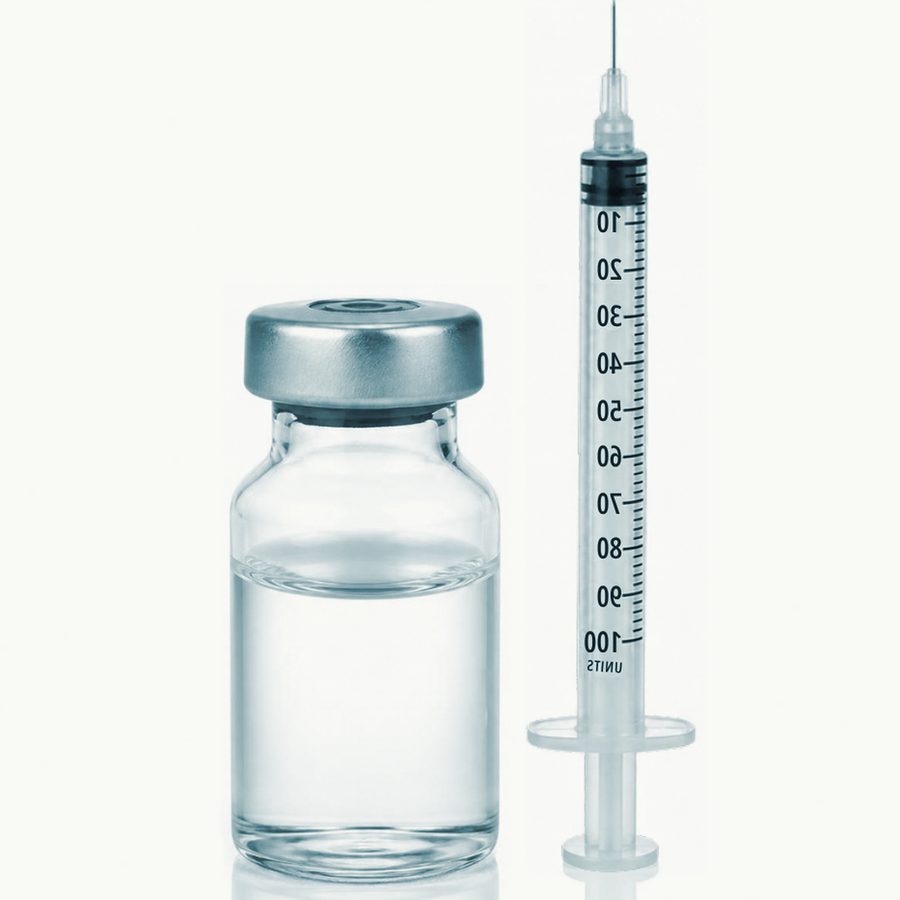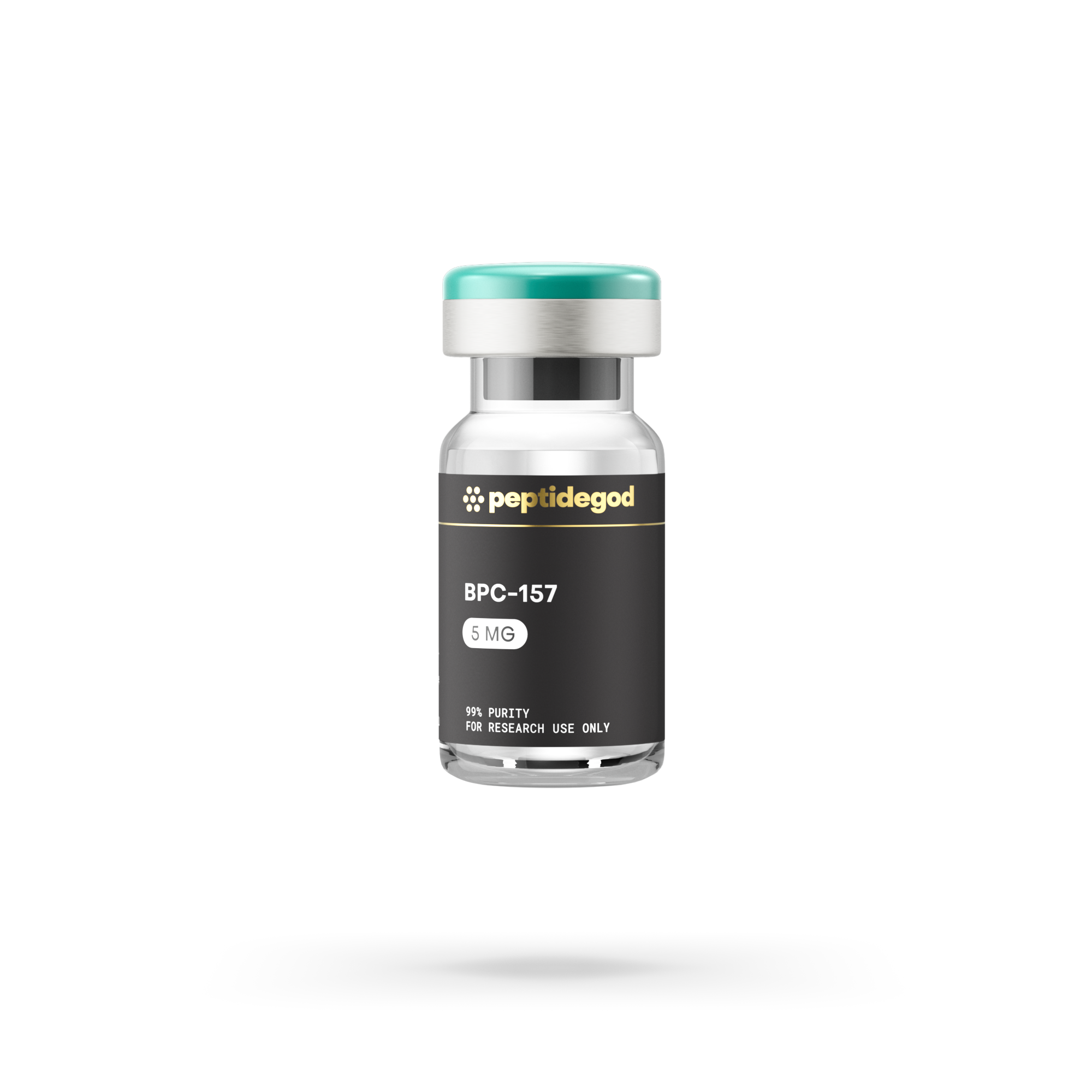
PeptideGod BPC-157 in lyophilized vial form. Budget-friendly pricing with fast US delivery.
PeptideGod BPC-157 Review
PeptideGod BPC-157 product review. Pricing, what the product page shows, what documentation is missing and how it compares to alternatives.
Key Features
- Price: $34.95 per vial
- Form: Lyophilized powder
- Stock status: In stock
- Public COA: Not available
- Milligram content: Not disclosed
- Shipping: US stock
With a price of $34.95, it is lower than many of its rivals. For example, Real Peptides provides a 10mg vial, which costs them $43.20 and comes with a lot-specific COA and verification through HPLC. Hence, even though this price differs by $8.25, the difference in documentation is even larger.
What's Inside
- Peptide: BPC-157 (Body Protection Compound-157)
- Sequence: 15 amino acids, Gly-Glu-Pro-Pro-Pro-Gly-Lys-Pro-Ala-Asp-Asp-Ala-Gly-Leu-Val
- Form: Lyophilized powder requiring reconstitution with bacteriostatic water
No information related to purity, HPLC results, or endotoxin screening has been released. Absence of a Certificate of Analysis results in no possibility to verify the content and composition of the product. This is the main drawback of the PeptideGod BPC-157 listing.
- Product
- PeptideGod BPC-157
- Price
- $34.95
- Form
- Lyophilized Powder
- Stock
- In Stock
- Public COA
- None
- Purity Data
- Not disclosed
- Editor Rating
- 4.2 / 5
How to Store and Handle
Store the sealed vial at -20C for long-term preservation. Short-term storage at 2-8C is acceptable for periods of two weeks or less. The lyophilized powder tolerates room temperature during transit but should be refrigerated or frozen upon arrival.
To prepare the solution, take bacteriostatic water into a syringe and inject it along the vial walls; do not shake the vial. Let the powder dissolve naturally. Clean the rubber top with alcohol before taking out the solution. Store the finished product at 2-8 degrees Celsius and ensure its use within 28 days. The bacteriostatic water page explains about the solvent for reconstitution.
PeptideGod retails a BPC-157 vial at $34.95, which is among the affordable BPC-157 on US platforms. The vial has lyophilized powder inside and dispatches from local supply. There's no publication of Certificate of Analysis. No information regarding the mg amount, purity, or testing method is provided in the listing. We examined the product details to compare prices with existing options and analyze the impact of the absence of analytical data for researchers focused on peptides.
PeptideGod BPC-157 Overview
BPC-157 is a synthetic 15-amino-acid fragment derived from a protein found in human gastric juice. Preclinical research has examined its effects on tissue repair, angiogenesis, and mucosal protection in animal models. No human clinical trial has been completed for any form of BPC-157.
This product is a single-peptide vial sold as a research chemical. PeptideGod describes it as lyophilized BPC-157 powder. The listing does not specify vial size in milligrams. For researchers interested in oral capsule forms of BPC-157, this vial requires reconstitution and is not a capsule product. Our BPC-157 capsules overview covers the differences between oral and injectable formats.
Our Verdict
BPC-157 garnered a score of 4.2 out of 5 based on the evaluations by our team of editors. The reasonable price and the local supply are its key strengths. Those who are looking for a budget-friendly option will find it here.
The weakness lies in the matter of documentations. There were also no COA, no specified level of purity and no data regarding endotoxin content. For the procedures, which require approved data analysis, this gap is important. Real Peptides is a more expensive supplier of products. Nonetheless, it provides HPLC-approved COAs along with every batch of products. You can find the comparison of all companies here brands page. Researchers, who find capsule delivery preferable, can take a look at the product Real Peptides BPC-157 Capsules.
Our rating
PeptideGod BPC-157 in lyophilized vial form. Budget-friendly pricing with fast US delivery.
FAQ
Does PeptideGod publish a COA for BPC-157?
No. There is no certificate of analysis or HPLC purity, nor are there any endotoxin testing results on the product page. No records are available in the public domain to support any claims made about the material found in the vial.
What purity is PeptideGod BPC-157?
The purity of the product is not revealed. The ad does not explain HPLC analysis or purity rate. Other suppliers confirm purity as more than 99% and provide regulatory certifications.
Is PeptideGod BPC-157 available in capsule form?
PeptideGod only sells BPC-157 as a lyophilized vial. They don't have capsules for sale. If you are looking for an oral capsule product, please refer to our review of Real Peptides BPC-157 Capsules.
How does PeptideGod BPC-157 compare on price?
Being sold at $34.95, this is definitely one of the cheapest vials of BPC-157. Real Peptides is selling their 10mg vials at $43.20 along with comprehensive analytical documents. For an additional $8.25, you will get guaranteed purity and endotoxins testing. However, whether this extra cost is worth it will depend on how much documentation you need.