BPC-157
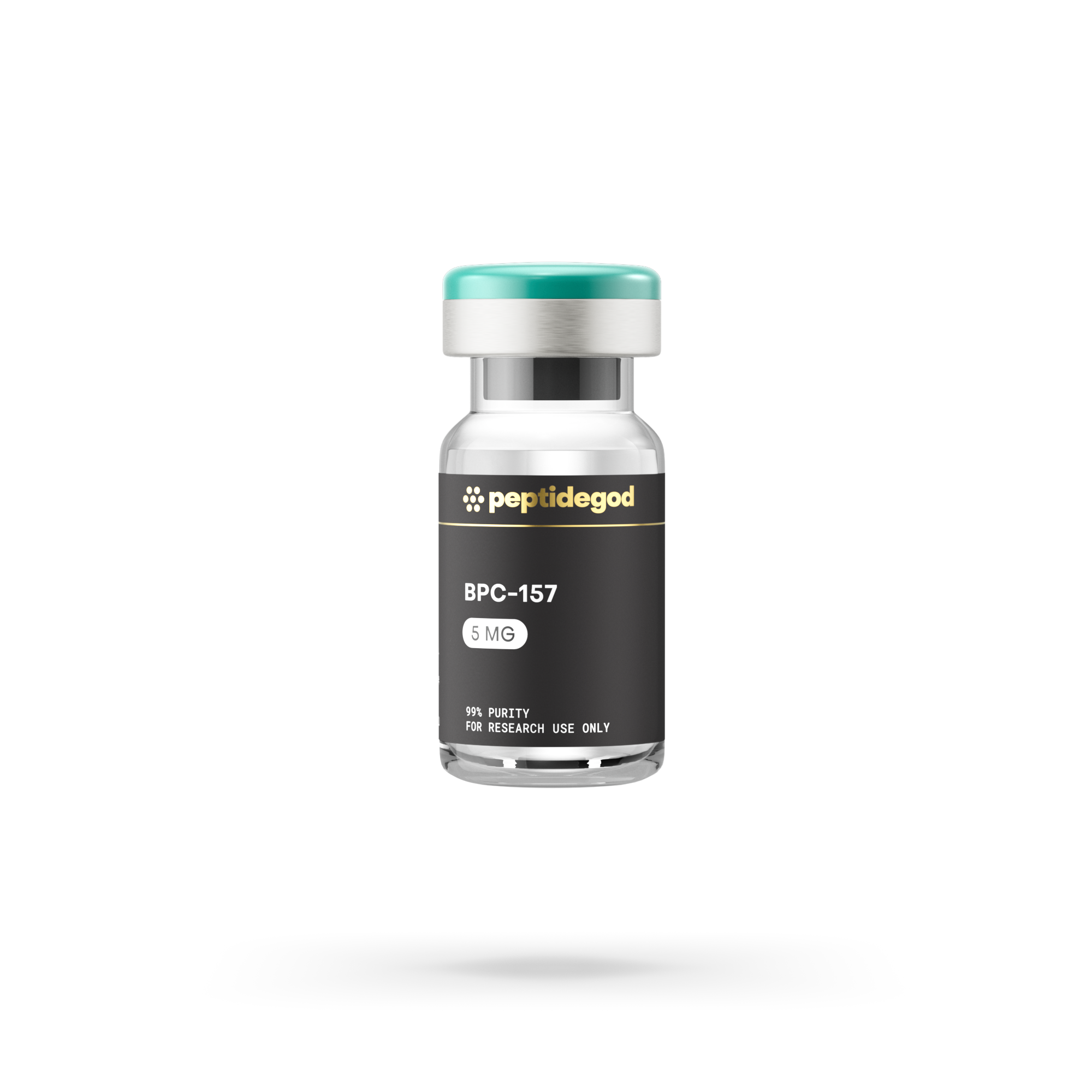
PeptideGod BPC-157 in lyophilized vial form. Budget-friendly pricing with fast US delivery.
Compare BPC-157 capsule products from tested vendors. See oral bioavailability data, capsule vs vial pricing and published COA documentation.
Ranked on the criteria below. Prices and ratings come from the merchant pages.
PeptideGod BPC-157 in lyophilized vial form. Budget-friendly pricing with fast US delivery.
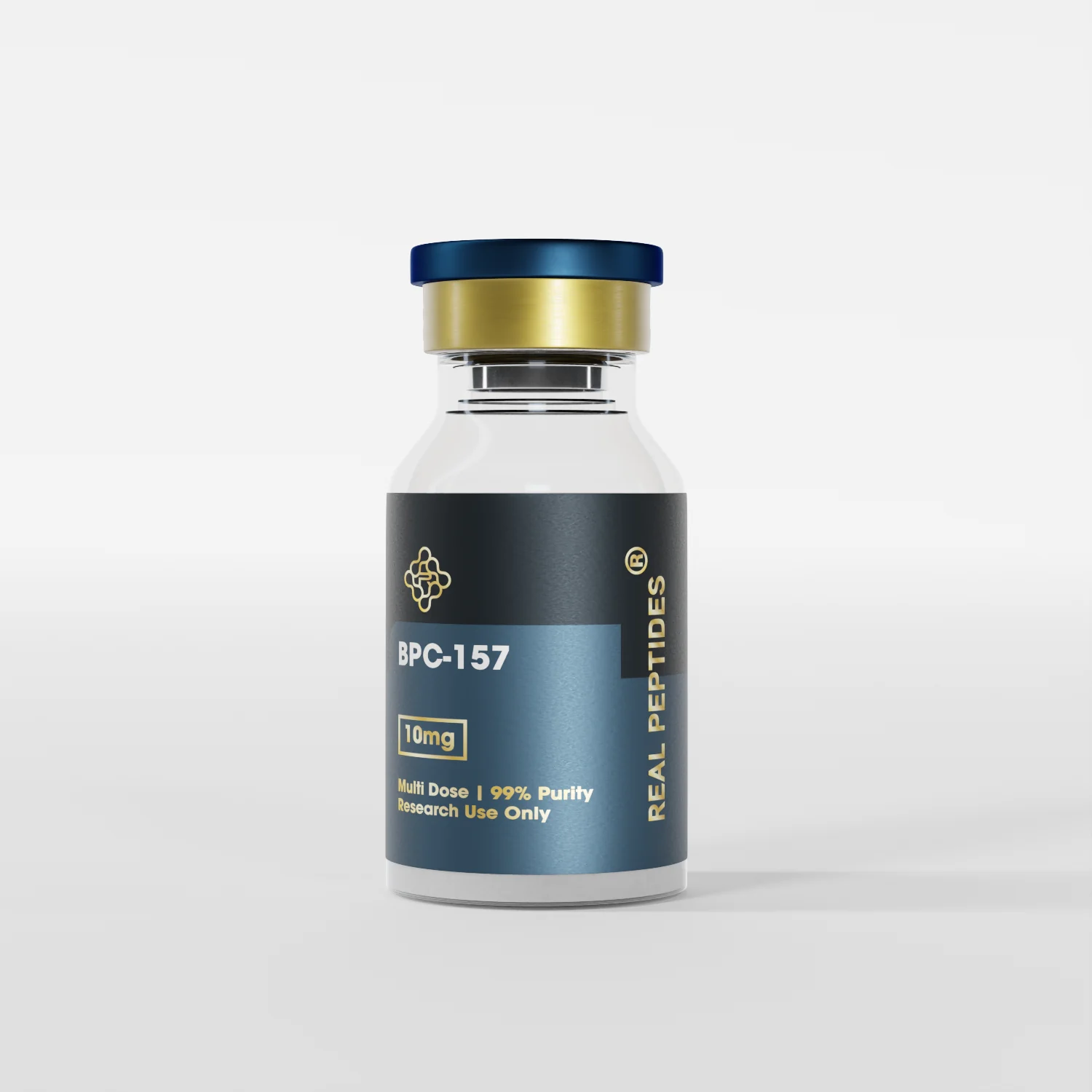
Real Peptides BPC-157 10mg vial with lot-specific COA and HPLC purity over 99%.
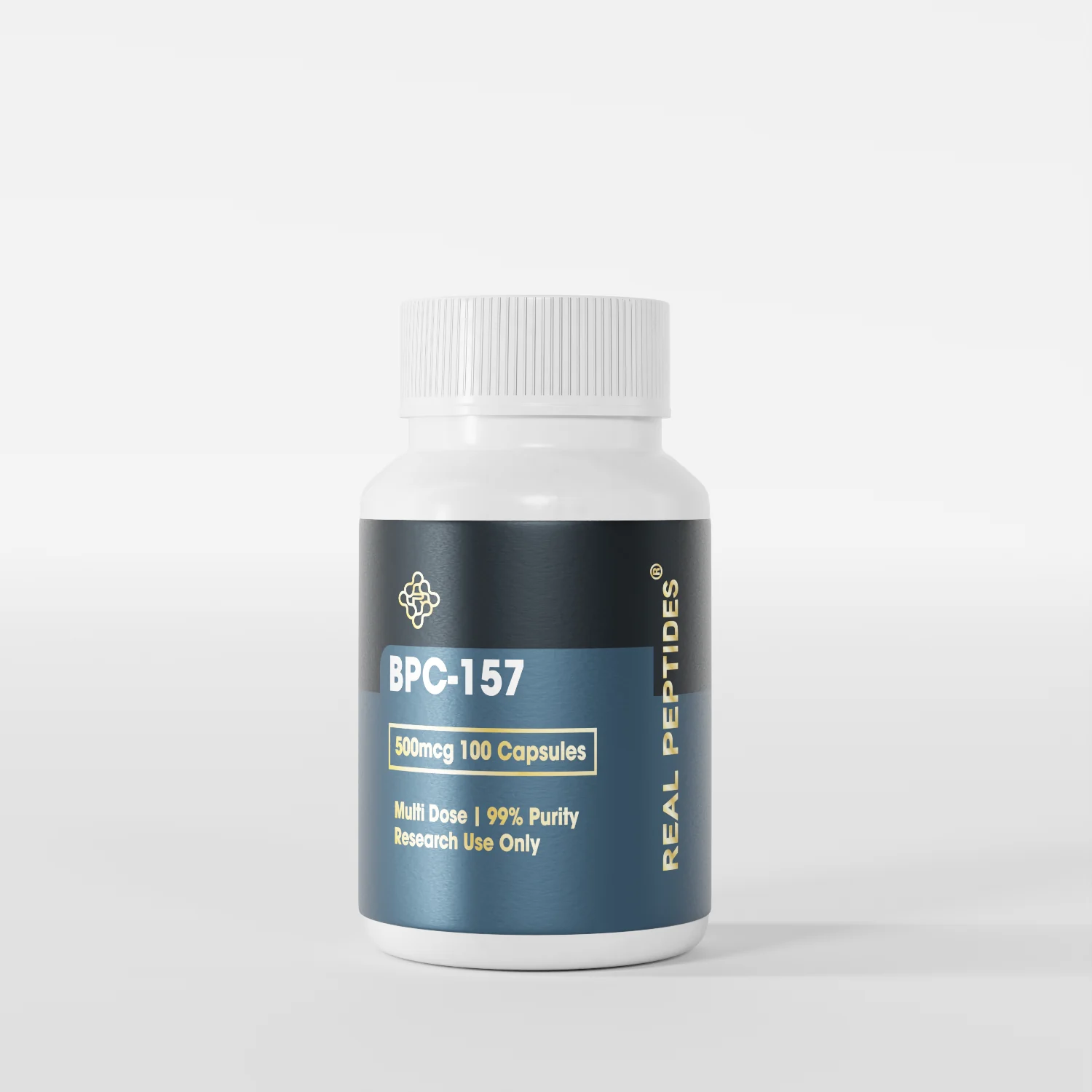
Real Peptides BPC-157 capsules, 100 count at 500mcg each. Lot-specific COA, HPLC verified.
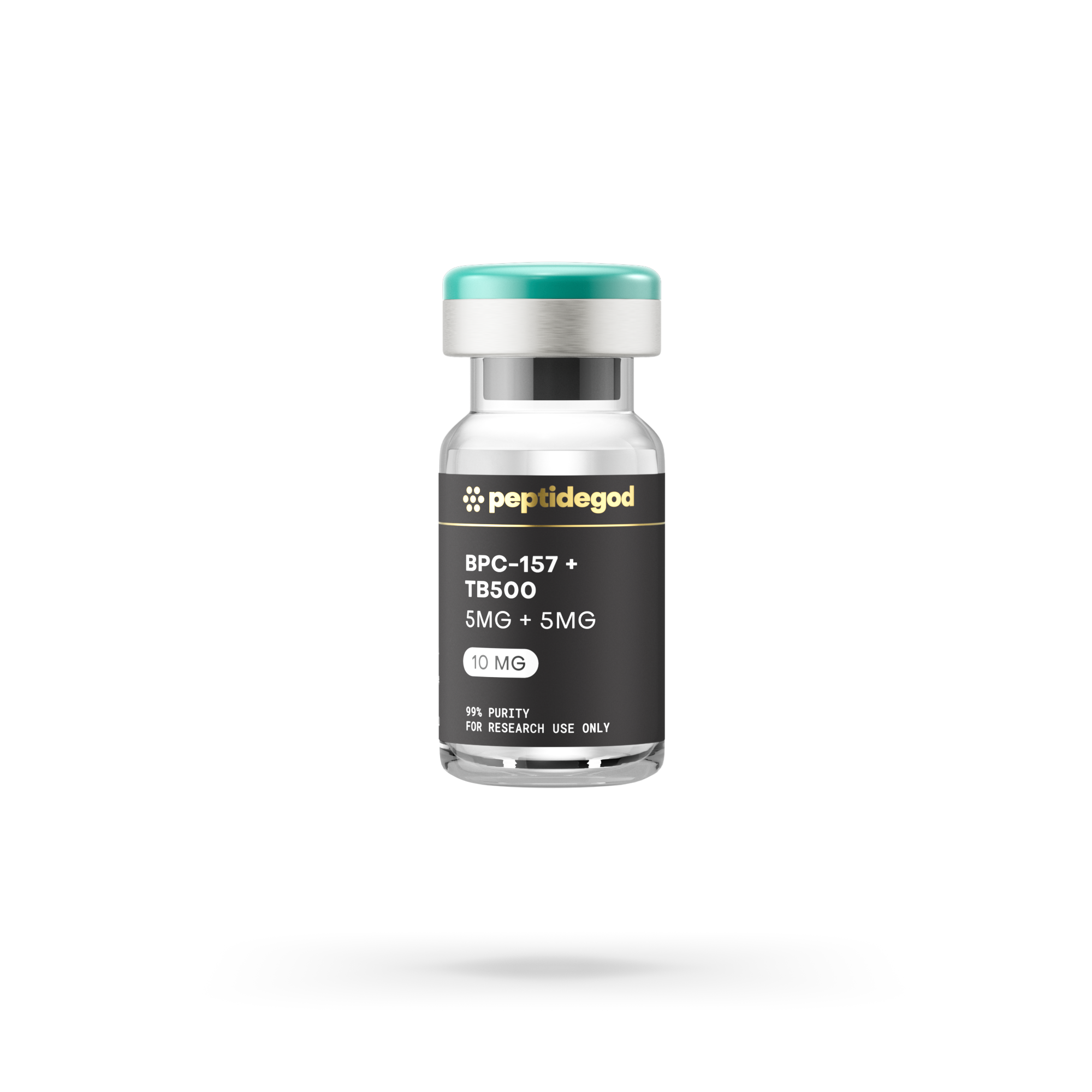
PeptideGod BPC-157 + TB-500 blend vial, commonly called the Wolverine Stack.
We look for a batch-level certificate of analysis published by the merchant.
Purity percentage and milligrams per vial as stated on the product page.
Clear research-use labeling, lot numbers and storage instructions.
Vials compared on price per milligram, not on sticker price.
BPC-157 capsules are oral formulations of a 15-amino-acid synthetic peptide originally isolated from human gastric juice. The keyword "bpc 157 capsules" draws roughly 3,000 monthly searches in the United States, reflecting growing interest in a needle-free route of administration. All published efficacy data for BPC-157 comes from animal studies. No completed human clinical trial has measured capsule performance, oral bioavailability, or adverse events in people. This page presents the preclinical evidence, compares available products and explains what the research does and does not support.
BPC stands for Body Protection Compound. The peptide sequence GEPPPGKPADDAGLV was first synthesized based on a protein found in human gastric juice by Predrag Sikiric's group at the University of Zagreb. Unlike most peptides, BPC-157 resists degradation in stomach acid, remaining intact at pH 1-2 for over 24 hours in laboratory conditions (Sikiric et al., 2011). That stability makes oral delivery pharmacologically plausible, which is why capsule products exist at all.
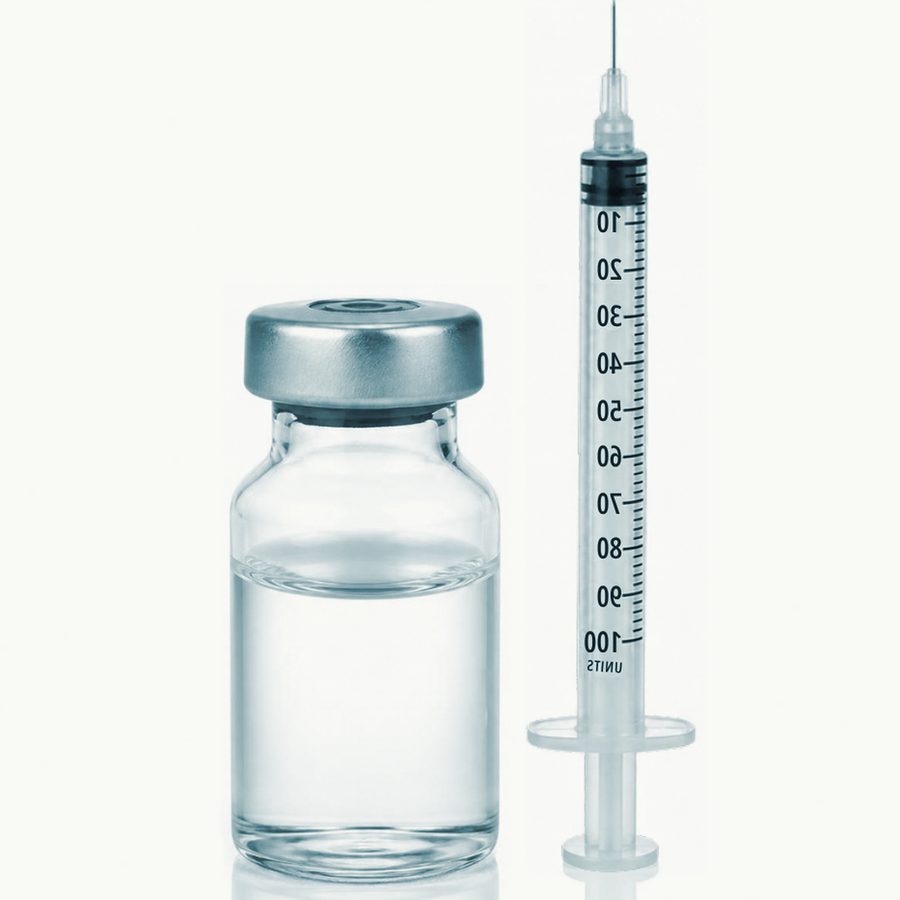
Capsule formulations generally consist of freeze-dried BPC-157 powder mixed with other ingredients such as microcrystalline cellulose, rice flour, or magnesium stearate inside a gelatin or vegetarian capsule. Capsule doses range from 200 mcg to 500 mcg. On the other hand, vials contain 5 mg or 10 mg of peptide and require adding bacteriostatic water for injection prior to use.
The vast majority of therapeutic peptides cannot survive stomach acid. Insulin, growth hormone, and semaglutide (in its injectable form) all require parenteral delivery for this reason. BPC-157's acid stability creates a rare scenario: a bioactive peptide that can contact the gastrointestinal mucosa directly after oral ingestion. In rat models, oral BPC-157 reduced gastric lesion area caused by NSAIDs, ethanol, and restraint stress (Sikiric et al., 1999). Both oral and intraperitoneal routes produced cytoprotective effects, which is unusual for any peptide.
Oral bioavailability is the missing piece of the puzzle. A 2022 pharmacokinetic study in rats and dogs determined systemic absorption rates to be around 2-7% in rats and 3-5% in dogs. These figures are relatively low compared to intramuscular injection's bioavailability (14-19% in rats, 45-51% in dogs). In case of gut-targeted applications, local concentrations may be of more importance than plasma levels, but for systemic targets like muscles or tendons, the bioavailability gap is a concern.
Real Peptides sells BPC-157 capsules: 100 capsules at 500 mcg each for $120. That works out to 50 mg total peptide content. They also sell a 10 mg lyophilized vial at $43.20. PeptideGod does not offer capsules. Their BPC-157 product is a vial priced at $34.95.
| Product | Brand | Form | Amount | Price | Price per mg |
|---|---|---|---|---|---|
| BPC-157 Capsules | Real Peptides | Capsule (100ct, 500 mcg each) | 50 mg total | $120.00 | $2.40/mg |
| BPC-157 Vial | Real Peptides | Lyophilized vial | 10 mg | $43.20 | $4.32/mg |
| BPC-157 Vial | PeptideGod | Lyophilized vial | Not stated | $34.95 | N/A |
Items that lack a COA cannot be evaluated in terms of their substance or purity. If there are no third-party test reports, it is impossible to confirm that a particular capsule contains the supposed amount of BPC-157 or whether BPC-157 at all is in a capsule. The same rule applies to both pills and vials.
There is no existing data on bioavailability in humans for BPC-157 whether in its capsule form or otherwise. Animal pharmacokinetic data appears to indicate low absorption rates in oral formulations, but those results cannot be used directly with humans. There are additional uncertainties related to products in the form of capsules, including excipient interactions, stability of production through storage, or variability of peptide content from batch to batch. A 2025 formulation review pointed out that although BPC-157 is stable in acid it does not guarantee reliable absorption through oral administration.
BPC-157 capsules contain a man-made 15 amino acid peptide derived from protein in the stomach lining of humans and encapsulate between 200 mcg and 500 mcg of lyophilized peptide powder along with various inactive ingredients. The peptide has so far been primarily tested in animals for its capacity to protect intestines and facilitate healing of tissues but no studies have been done yet in humans.
In research involving animals, BPC-157 taken orally has been shown to have significant protective effects on the stomach and intestines. However, there is no evidence that the same kind of effect will happen in humans. There have been no studies looking at the bioavailability of the capsules, and they haven’t been evaluated yet in clinical trials. The honest answer, unfortunately, is that we simply don’t know.
Sealed capsules containing lyophilized BPC-157 do not require refrigeration in the same way a reconstituted vial does. Store them in a cool, dry location away from direct light. Once a vial is mixed with bacteriostatic water, it must be refrigerated and used within a limited timeframe.
The peptide is the same. The delivery method differs. Capsules pass through the GI tract and act locally on gut tissue before any fraction enters the bloodstream. Injections bypass the digestive system entirely. Animal studies show both routes produce effects, but plasma concentrations differ substantially. For gut-specific applications, the oral route has direct preclinical support. For systemic targets, injection data is stronger. Our oral BPC-157 guide covers the comparison in detail.
As per published animal study reports, there have been no observed oral toxicities. According to users on the internet, the most frequently reported side effects experienced are mild nausea and GI discomfort, usually resolving after a few days. There are also cases of excipients used in capsule shells causing reactions separate from the peptide’s side effects. We will discuss all effects in detail on our capsule side effects page.

Benefits reported in published studies using oral BPC-157 in animals. Gastric protection, colitis reduction, and observed systemic effects.
Is pentadeca arginate the same as BPC-157? The chemical relationship, regulatory background and why the name appears on certain supplement labels.
Are BPC-157 and TB-500 available together in capsule form? Current product options, blend ratios and what the research says about combining them orally.
Every guide and ranking on this site is checked by a named reviewer before it is published.